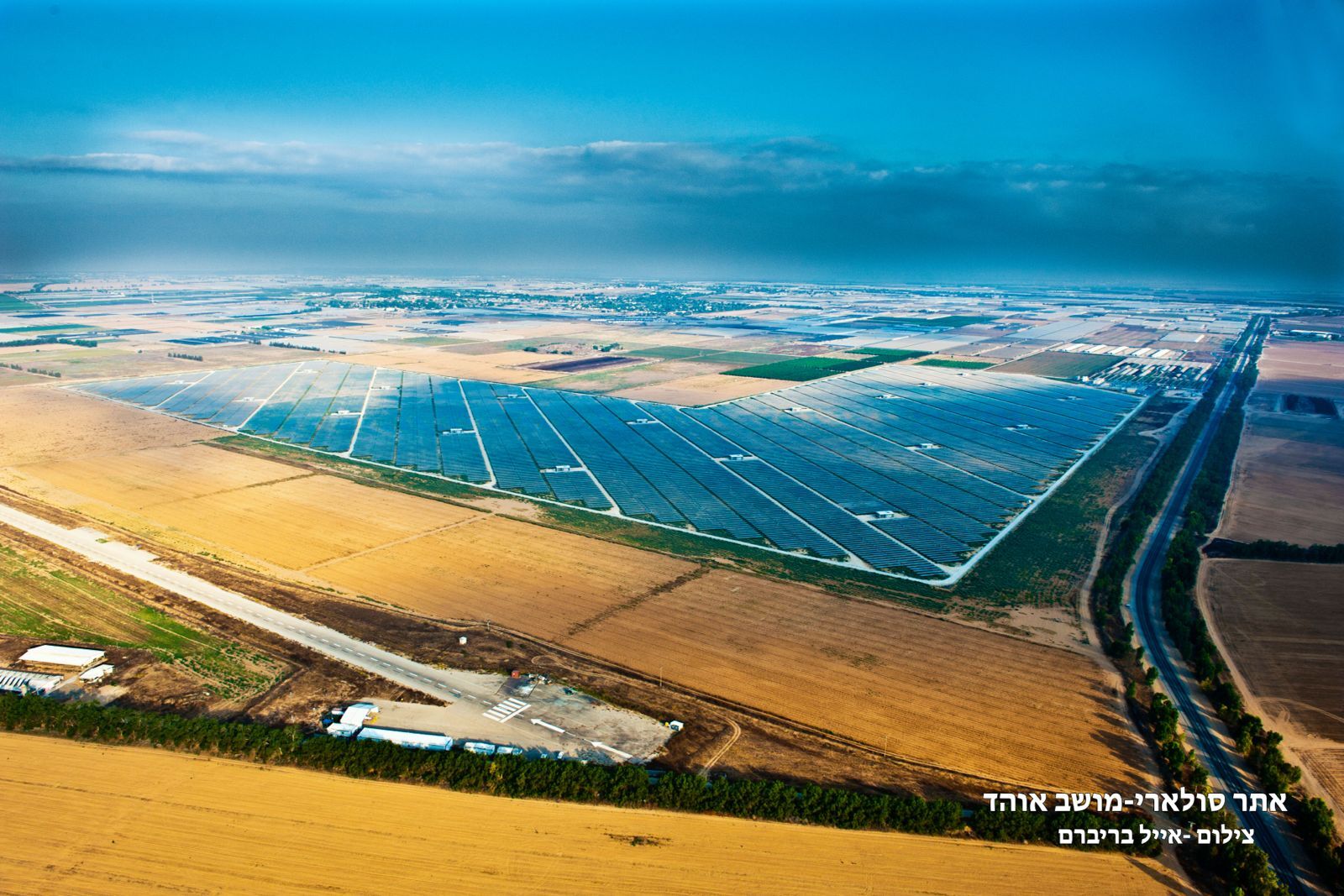
3 Interesting Things to Do in the Gaza Border Region — and Come Back With Much More Than Photos
For those of us who come to Israel for a visit:
There are trips we take in order to clear our heads.
There are trips we take in order to see beautiful scenery.
And there are places we visit in order to understand something deeper.
The Gaza border region is exactly that kind of place.
It is a region that cannot be described only through news headlines. It is much more than that. It has open fields, kibbutzim and moshavim, farmers, families, communities, viewpoints, nature sites, blossoms, local initiatives, life stories, great pain - and also an extraordinary life force.
Anyone who visits the Gaza border region quickly discovers that this area does not tell just one story. It tells several stories at once: a story of a border, a story of agriculture, a story of community, a story of memory, a story of tourism, and above all - a story of renewal.
So if you are looking for a meaningful activity in the Gaza border region, one that is suitable for families, groups, couples, or anyone who wants to experience the area up close - here are 3 interesting things you can do in the Gaza border region, and come back with much more than just a beautiful experience.
1. Take a Tour That Connects Landscape, Memory, and Renewal
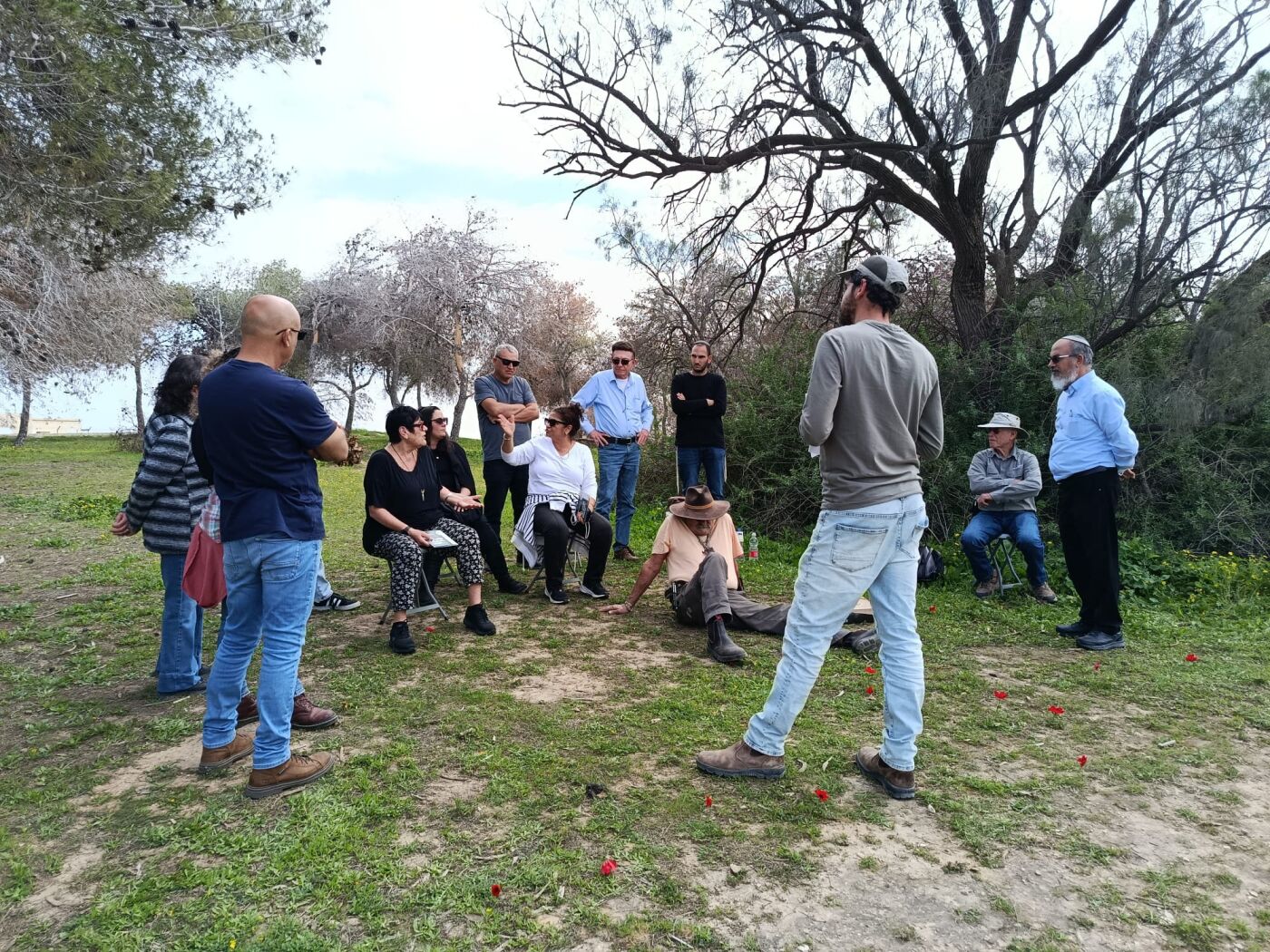
There are things you can only understand when you stand in the place itself.
You can read about the Gaza border region, look at a map, watch reports, and hear stories - but when you stand at a viewpoint and see with your own eyes the short distances, the fields, the communities, the border line, and the open space, something changes.
Suddenly, you understand just how close life here is to the border.
Suddenly, you see how a farming field, a kibbutz, a road, a fence, and a lookout point are all located very close to one another.
Suddenly, the names you know from the news become real places.
And sometimes, it is precisely the silence of the landscape that tells the strongest story.
A guided tour of the Gaza border region allows you to encounter the place in a deeper and more organized way. Not only to hear what happened here, but to understand where it happened, who the people are who live here, what life looks like along the contact line, and what it means to continue building, working the land, guiding, hosting, and living in this area.
The great value of a tour like this is that it does not leave the visitor only with pain. It connects memory with continuity. The fracture with the life that is beginning to grow again. What was with what is still being built.
During the tour, you can move between viewpoints, meaningful sites, communities, memorial sites, agricultural areas, and places that tell the story of the region from different angles. This is not just a guided tour. It is a way to meet an Israeli region filled with complexity, sensitivity, and strength.
A tour like this is especially suitable for those who want a day with real value: families with older children, employee groups, educational institutions, communities, tourists from abroad, synagogues, organizations, and anyone who wants to understand the Gaza border region beyond what appears on a screen.
Because in the Gaza border region, a viewpoint is not only a view.
It is a way to understand.
2. Visit an Agricultural Farm and Touch the Soil
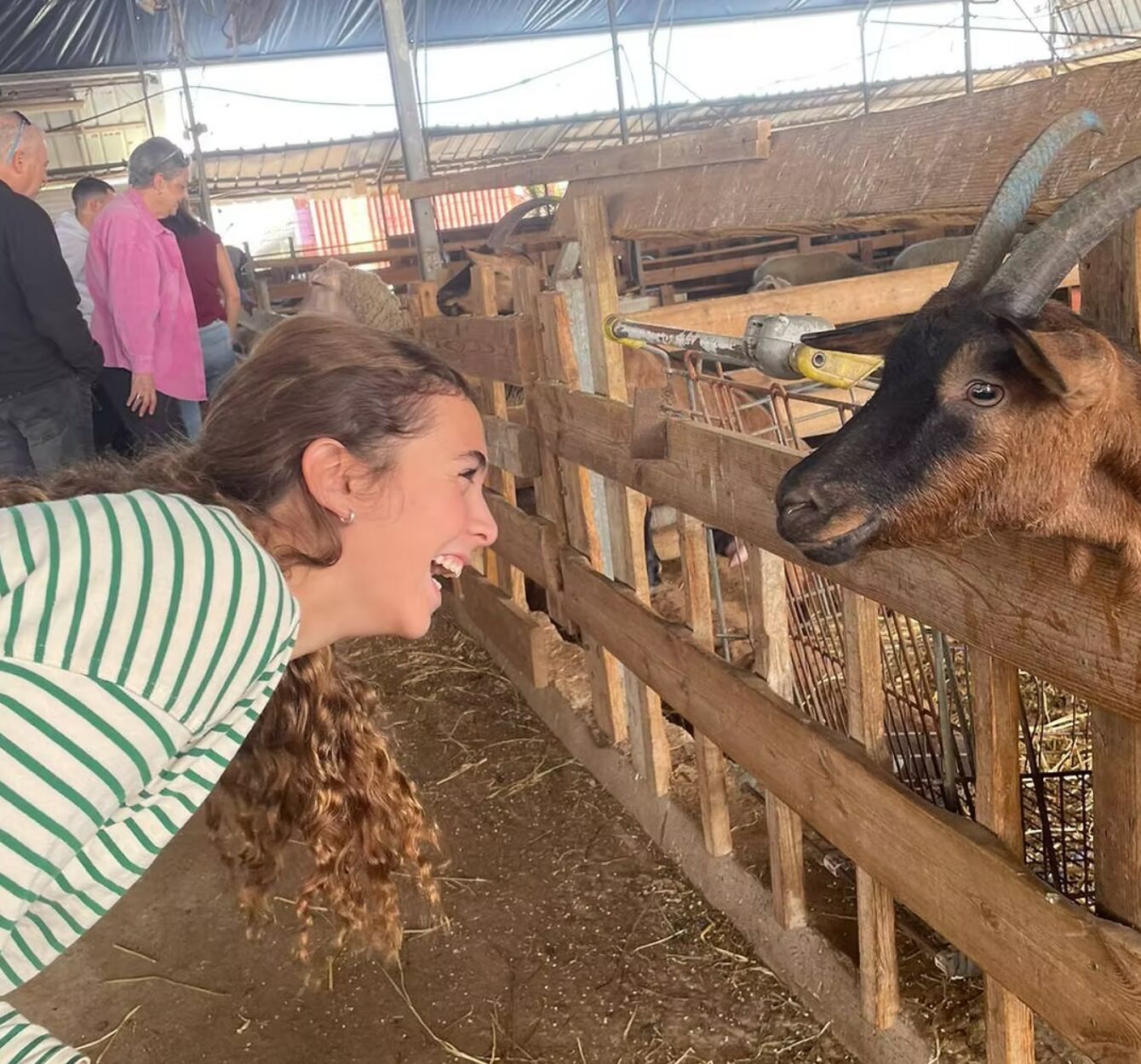
One of the most beautiful ways to get to know the Gaza border region is through the land itself.
Agriculture is a deep part of the identity of the area. The fields, greenhouses, animal pens, nurseries, and local farms tell a story of work, perseverance, and faith in the future. That is why a visit to a local farm is not just an attraction for children, but a living encounter with the people who continue to create, grow, host, and dream.
At farms such as Giller Farm, for example, you can go on a walking tour, visit the greenhouse, the fields, and the nursery, hear the story of the farm, meet animals, taste vegetables or fruits according to the season, prepare pita bread in a tabun or on a saj, and take part in workshops such as decorating a plant pot, filling it with soil, and planting seeds.
This experience is very suitable for families because it connects children to things they often see only in the supermarket or on their plate. Suddenly, they understand where a vegetable comes from. What a greenhouse looks like. What a farm is. What it feels like to hold soil in your hand. And how a simple act like planting seeds can become a small symbol of hope.
But for adults too, such a visit can be very meaningful. There is something both moving and strengthening about meeting people whose lives are centered around the land, especially in an area that has gone through such a major upheaval. They are not only talking about agriculture. They are talking about the choice to remain connected to a place, even when it is difficult.
A visit to a farm is also a direct way to support local businesses, agricultural tourism, and the families who live and work in the area. When you pay for a tour, a workshop, hospitality, or local produce - you are not only enjoying an activity. You are actively taking part in strengthening the place.
And that is the great beauty of the Gaza border region:
Even a seemingly simple activity, such as preparing pita bread, petting an animal, or planting seeds, can become an experience with meaning.
3. Follow the Anemones, Nature, and Attractions of the Northern Negev
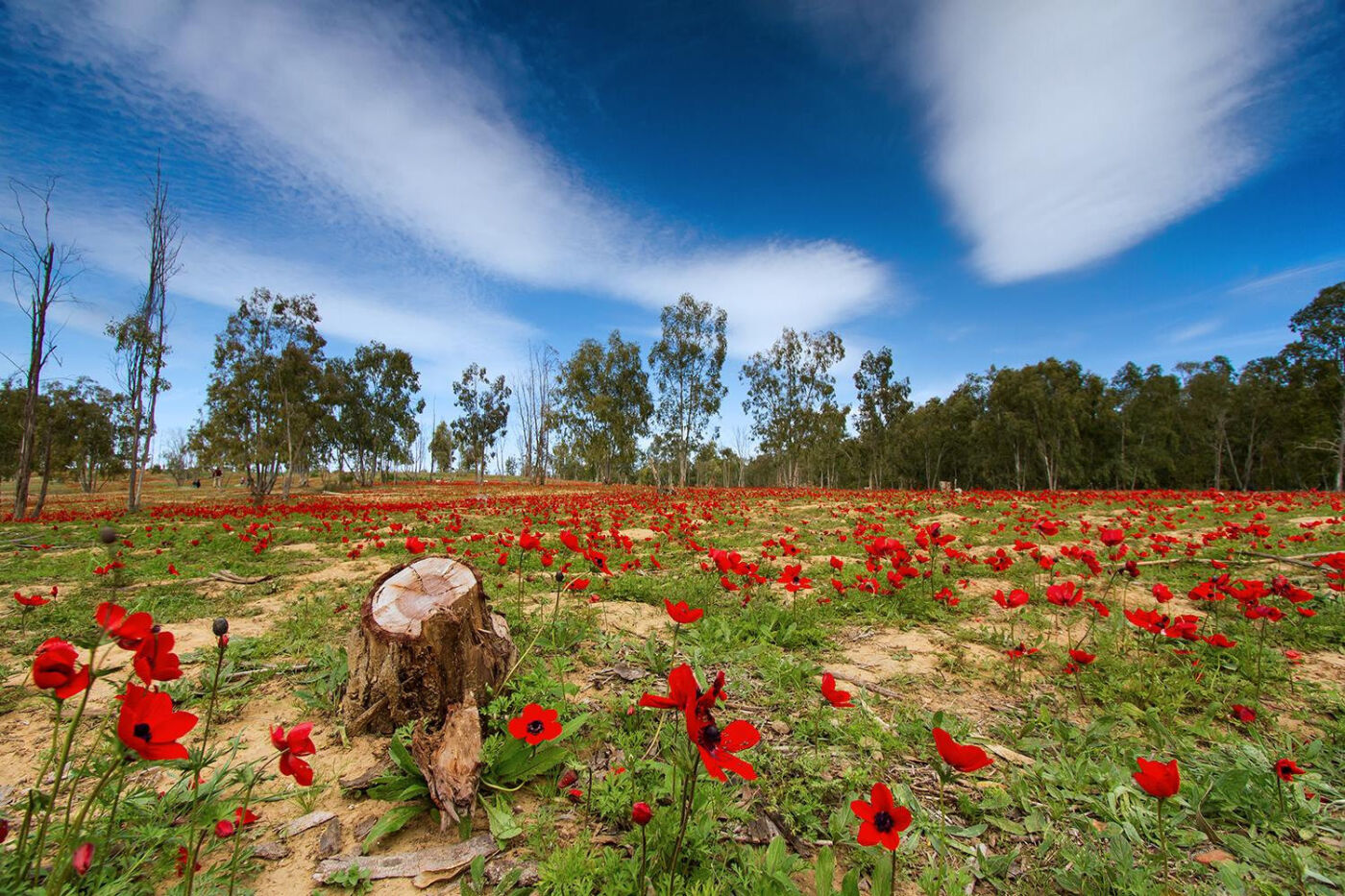
There are seasons when the Gaza border region and the western Negev take on a completely different color.
The carpets of red anemones turn the fields and forests into an especially moving Israeli sight. This is one of the most beautiful experiences you can have in the area: open nature, blossoms, fresh air, easy trails, stopping points, families traveling, and a sense of life returning to the landscape.
A trip following the anemones can be very light and simple, while still carrying great value. You can combine blossom sites, short walking trails, coffee stops, local attractions, fruit or vegetable picking, bike rides, a visit to a farm, or a stop at a small local business along the way.
Among the well-known places in the area are Shokeda Forest, Be’eri Badlands, Kissufim Forest, Pura Nature Reserve, Nahal Besor, Eshkol Park, Ruhama, and additional points in the northern Negev and western Negev. Each of these places offers a different angle of the region: sometimes open nature, sometimes fields, sometimes forest, sometimes a stream, sometimes blossoms, and sometimes a viewpoint that connects it all together.
It is important to remember: the anemone is a protected flower.
You may photograph it, be moved by it, hike among it, and enjoy it - but you must not pick it.
Beyond the beauty, a nature trip in the Gaza border region is also an opportunity to show children that this area is not only a place of difficulty. It is also a place of color, scent, blossoms, agriculture, animals, good people, and local businesses waiting for visitors.
You can turn the day into a full family route: start with a viewpoint or a meaningful tour, continue with an agricultural activity or a visit to a farm, and finish at a blossom site or with a stop for local coffee. This way, you get a day that includes learning, experience, nature, and support for the region.
A Visit to the Gaza Border Region Is Much More Than a Day Trip
Because when you come to the Gaza border region, you are not only consuming an experience.
You are taking part in something bigger.
Every tour, every farm visit, every stop at a local business, every coffee bought along the way, every workshop, every guided activity, and every family experience - all of these strengthen local tourism and the people who live and work in the area.
The region needs visitors, but not only in the economic sense. There is great meaning in the very act of coming. It says: We see you. We are coming to listen. We want to understand. We want to be part, even for one day, of the way this region is rising again.
And in the same way, visitors receive something in return.
They come back with a different understanding of the place.
With greater appreciation for the people who live there.
With a deeper connection to the land.
With the memory of a landscape, a field, a story, a taste, blossoms, and a human encounter.
And with the feeling that a trip can be much more than checking a destination off a list.
How to Plan a Successful Day in the Gaza Border Region
To make the experience right for you, it is worth thinking in advance about what kind of day you want.
If you are looking for depth and meaning - start with a guided tour.
If you are coming with children - combine an agricultural activity, animals, or a workshop.
If you want a light day in nature - choose blossom sites, a short trail, and a local stop.
And if you want a full day - combine all three.
The Gaza border region is very suitable for a trip made of several layers:
A bit of landscape.
A bit of story.
A bit of soil.
A bit of nature.
A bit of local food or coffee.
And a lot of listening.
Before setting out, it is worth checking opening hours, advance coordination, the security situation, local guidelines, weather, accessibility, and how suitable the activity is for the participants’ ages.
So the next time you are in Israel, it is worth remembering:
If you are looking for 3 interesting things to do in the Gaza border region, you can think of it this way:
A tour - to understand the place.
An agricultural farm - to meet the people and the land.
A nature and blossom trip - to see life growing again.
Each of them stands on its own, but together they create a much fuller experience.
Because the Gaza border region is not only a travel destination.
It is a place with a story.
A story of communities.
A story of agriculture.
A story of a border.
A story of pain.
A story of blossoms.
And a story of renewal.
And anyone who comes there is not only visiting the area.
They are taking a small part in the long and important path of strengthening, remembering, and growing again.
Credits for Content and Photos
This article was written with inspiration from content sources about tourism, agriculture, tours, and nature in the Gaza border region and the western Negev: